Having a dark room in your home can make the space feel smaller, less inviting, and sometimes even gloomy. Fortunately, there are plenty of quick and simple ideas you can try to brighten a dark room without major renovations. Whether you want to boost natural light, improve artificial lighting, or refresh your décor, these tips will help transform your space into a welcoming, light-filled haven.
1. Maximize Natural Light
Keep Windows Clear and Unobstructed
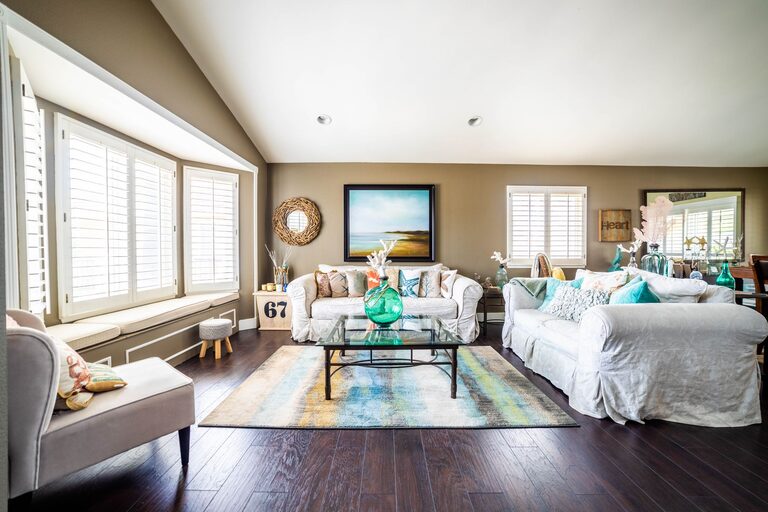
One of the easiest ways to brighten a dark room is to let in as much natural light as possible. Remove heavy drapes or dark-colored curtains and replace them with sheer or light-filtering shades. Avoid placing large furniture directly in front of windows, as it can block sunlight from entering.
Use Mirrors to Reflect Light
Mirrors are excellent tools to amplify natural light. Place a large mirror opposite or adjacent to a window to reflect sunlight deeper into the room. You can also try smaller mirrors grouped together as a decorative feature.
Clean Your Windows
It might sound simple, but clean windows can significantly increase the amount of light coming in. Dust, dirt, and grime can block sunlight, so schedule a regular cleaning to keep windows crystal clear.
2. Choose Light Colors for Walls and Ceilings
Paint Walls in Light Shades
Dark walls absorb light, making rooms appear smaller and dimmer. Opt for soft neutrals like white, cream, light gray, or pastel colors to create a brighter, airier feel. Even a subtle off-white can make a big difference.
Brighten Up the Ceiling
A white or light-colored ceiling helps reflect light around the room. If your ceiling is darker or stained, consider repainting it in a bright white or pale shade to maximize light distribution.
Use Glossy or Semi-Gloss Paint Finishes
Flat paint absorbs light, while finishes with some sheen reflect light better. Using semi-gloss or satin finishes on walls or trim can bounce light around the room and add subtle texture.
3. Update Your Lighting Fixtures
Layer Your Lighting
Combine different types of lighting to brighten the space effectively. Use ambient lighting (like ceiling fixtures), task lighting (desk or floor lamps), and accent lighting (wall sconces or LED strips). This layered approach prevents shadows and dark corners.
Choose Bright, Warm Bulbs
Opt for LED bulbs with a high lumen output to ensure the room gets plenty of light. Warm white bulbs (around 2700K to 3000K) create a cozy atmosphere without making the room feel cold or sterile.
Add Floor or Table Lamps
If the room lacks overhead lighting, add floor lamps or table lamps to brighten dark corners. Place lamps near seating areas or reading nooks to balance the room’s light.
4. Use Reflective and Light-Enhancing Décor
Incorporate Metallic and Glass Accents
Decor pieces like metallic picture frames, glass vases, or shiny side tables reflect light and add sparkle. These accents not only brighten the room but also add visual interest.
Choose Light, Sheer Fabrics
Light-colored curtains, cushions, and upholstery help keep the room feeling bright and fresh. Sheer fabrics allow natural light to pass through, while light textiles reflect room light.
Add Plants with Bright Green Leaves
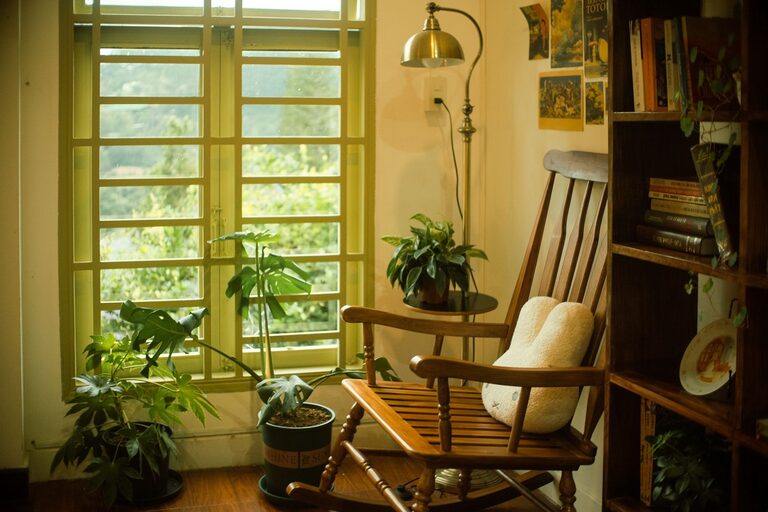
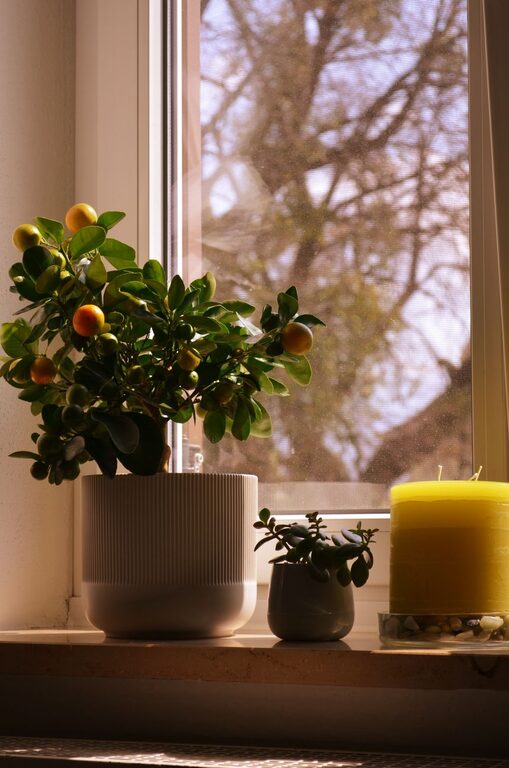
Plants can enliven a dark room, especially if you choose varieties with bright or variegated foliage. Place them near windows or light sources to add life and a sense of freshness.
5. Rearrange Furniture to Open Up Space
Create Clear Pathways
Crowded rooms feel smaller and darker. Move furniture away from windows and keep pathways open so light can flow through the space freely.
Use Low-Profile Furniture
Choose pieces with open legs or low backs to avoid blocking light and sight lines. Glass or acrylic furniture also lets light pass through, helping the room feel less heavy.
Position Seating Near Light Sources
Arrange chairs and sofas near windows or lamps to make the most of available light, creating inviting spots to relax or work.
6. Add Light-Enhancing Technology
Smart Lighting Solutions
Smart bulbs allow you to adjust brightness and color temperature throughout the day. You can program them to mimic natural daylight, boosting mood and visibility in the room.
Light Therapy Lamps
If your room gets very little natural light, consider a light therapy lamp designed to produce bright, daylight-like illumination. These can help improve ambiance and energy.
7. Keep Things Simple and Clutter-Free
Clutter can make any room feel darker and more cramped. Keep surfaces tidy and avoid heavy or bulky decorations that absorb light and crowd the space. A minimalist approach will enhance light flow and make the room feel larger.
—
Brightening a dark room is all about letting light in and reflecting it throughout the space. By combining these quick tips—maximizing natural light, using light colors, layering lighting, and selecting reflective décor—you can transform even the gloomiest room into a bright, cheerful place you’ll enjoy spending time in. With just a little effort and creativity, your dark room can become one of the brightest spots in your home.