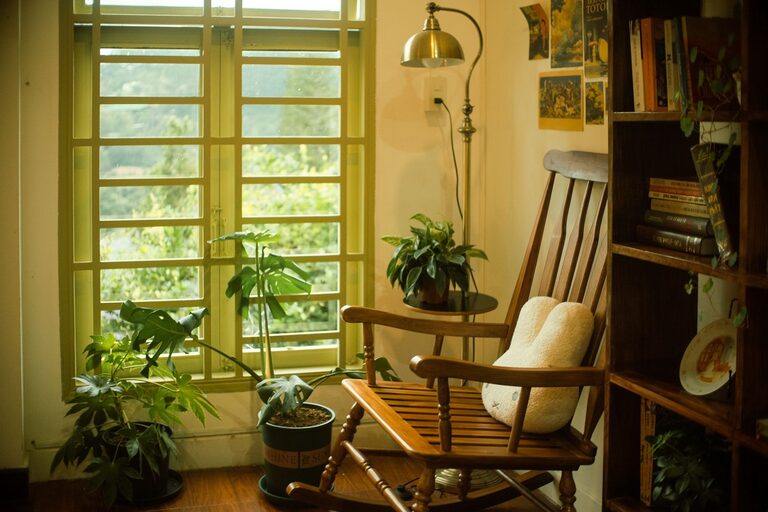
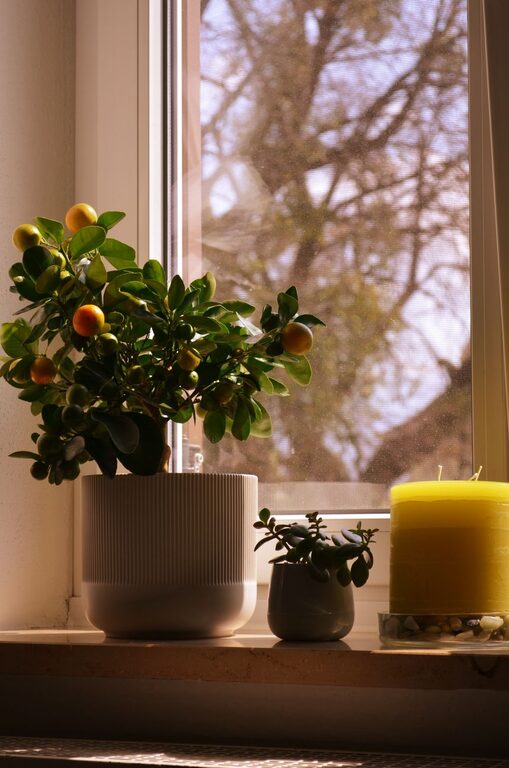
Bringing plants into your home is one of the simplest and most effective ways to refresh your living space. Not only do plants add beauty and color, but they also improve air quality and create a calming atmosphere. Whether you are new to indoor gardening or looking to enhance your current collection, this guide provides practical tips on how to refresh your home with plants.
Why Add Plants to Your Home?
Plants have become a popular element of modern home decor for good reasons. They:
– Boost mood and reduce stress
– Clean indoor air by filtering toxins
– Add texture and life to rooms
– Create a sense of connection to nature
– Serve as natural decor elements that complement different styles
By integrating plants thoughtfully, you can transform any room into a healthier, more inviting space.
Choosing the Right Plants for Your Home
Before you start buying plants, consider the environment where you plan to place them. Light availability, temperature, and humidity levels affect how well plants will thrive.
Assess Your Lighting Conditions
Plants vary in their light needs. Here’s how to match plants with light levels:
– Bright light: South or west-facing windows, direct sunlight for several hours. Good plants: succulents, fiddle leaf fig, snake plant.
– Medium light: North or east-facing windows, indirect sunlight. Good plants: pothos, spider plant, peace lily.
– Low light: Rooms without windows or little natural light. Good plants: ZZ plant, cast iron plant, philodendron.
Consider Space and Size
Choose plants that suit the size of your space. Large floor plants like rubber trees can become statement pieces in spacious rooms, while small potted plants or hanging planters work well in smaller areas or apartments.
Low Maintenance vs. High Maintenance
If you want low-maintenance greenery, opt for hardy plants like snake plants or succulents. For plant enthusiasts who enjoy regular care, flowering plants or ferns can add variety.
Creative Ways to Incorporate Plants in Your Home
Once you select your plants, consider creative ways to display them. Here are some ideas:
Use Varied Containers
Choose pots and planters that complement your interior style. Ceramic, terracotta, woven baskets, or modern minimal containers can all work well.
Group Plants Together
Group plants of different sizes and shapes on shelves, window sills, or tabletops. Clustering creates a lush, vibrant mini-garden feeling.
Try Vertical Gardens
If floor space is limited, vertical garden planters or wall-mounted plant holders can add greenery without occupying much room.
Hanging Planters
Hanging plants brighten corners and add dimension. Try trailing plants like pothos or string of pearls in macramé or stylish hangers.
Green Corners and Tablescapes
Create a dedicated green corner with a mix of plants or design a centerpiece of small plants for your dining or coffee table.
Caring for Your Indoor Plants
Proper care helps plants flourish and keeps your home feeling fresh longer.
Watering Tips
– Check soil moisture before watering.
– Avoid overwatering; many houseplants prefer drying slightly between waterings.
– Use pots with drainage holes to prevent root rot.
Light and Placement
– Rotate plants occasionally so all sides receive light.
– Protect delicate plants from drafts or sudden temperature changes.
Feeding and Fertilizing
– Use a balanced, water-soluble fertilizer during the growing season (spring and summer).
– Avoid over-fertilizing, which can harm plants.
Cleaning and Pruning
– Wipe leaves gently with a damp cloth to remove dust.
– Trim dead or yellowing leaves to encourage new growth.
Seasonal Plant Refresh Ideas
Seasonally rotating or adding plants can keep your home feeling lively and up-to-date.
– In spring, bring in blooming plants like orchids or African violets.
– Summer is perfect for lush tropical plants.
– Fall calls for warm-toned foliage plants like crotons.
– Winter lets you focus on hardy plants with interesting leaf shapes or colors.
Benefits Beyond Aesthetics
Aside from beautifying your home, plants offer additional benefits:
– Improve indoor air quality by absorbing carbon dioxide and releasing oxygen.
– Increase humidity in dry environments.
– Reduce noise pollution when placed strategically.
– Support mental well-being by connecting you to nature indoors.
Final Tips for Plant Success
– Start small and gradually add more plants as you gain confidence.
– Research each plant’s specific care needs.
– Don’t be afraid to experiment with placement and combinations.
– Remember that every plant improves your space, even a single leaf can make a difference.
Refreshing your home with plants is a rewarding and enjoyable project. With some thoughtful planning and care, you can create a welcoming and vibrant environment that brings a touch of nature indoors all year round. Happy planting!