
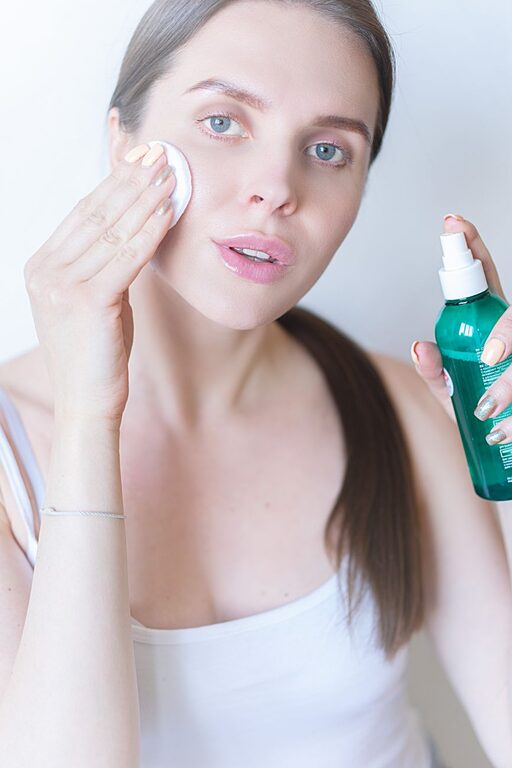
Starting a skincare routine doesn’t have to be complicated or expensive. With a few basic steps and the right products, you can maintain healthy, glowing skin that feels refreshed and nourished. Whether you’re new to skincare or want to simplify your routine, this guide will help you build a solid foundation.
Why a Basic Skincare Routine Matters
Your skin is the largest organ of your body and acts as a barrier against pollution, bacteria, and other environmental factors. A consistent skincare routine can:
– Protect your skin from damage
– Keep it hydrated and smooth
– Prevent breakouts and irritation
– Promote an even skin tone and texture
Starting with a simple routine is often the best way to understand your skin’s needs before trying more specialized products.
Step 1: Know Your Skin Type
Before you pick products, it’s important to identify your skin type. This will help you choose the best ingredients and avoid irritation.
Common skin types include:
– Normal: Balanced, not too oily or dry
– Dry: Feels tight or flaky, especially after washing
– Oily: Shiny appearance, prone to breakouts
– Combination: Oily in some areas (usually T-zone) and dry in others
– Sensitive: Easily irritated, redness or itching
You can do a simple test by washing your face with a gentle cleanser, waiting an hour, then observing how your skin feels and looks.
Step 2: Gather the Essentials
A basic skincare routine requires only a few key products:
1. Cleanser
Choose a gentle cleanser suitable for your skin type to remove dirt, oil, and makeup without stripping natural oils.
– Gel or foaming cleansers for oily skin
– Cream or lotion cleansers for dry or sensitive skin
– Micellar water for very sensitive or minimal cleansing
Use lukewarm water and cleanse your face twice daily—morning and evening.
2. Moisturizer
Moisturizing helps maintain the skin’s barrier and prevents dryness.
– Lightweight, oil-free moisturizers for oily skin
– Richer creams for dry skin
– Fragrance-free options for sensitive skin
Apply moisturizer while your skin is still slightly damp to lock in hydration.
3. Sunscreen
Protecting your skin from UV rays is essential every day, even when it’s cloudy.
– Use a broad-spectrum sunscreen with at least SPF 30
– Reapply every two hours if outdoors
– Look for non-comedogenic (won’t clog pores) formulas
Sunscreen helps prevent premature aging and reduces the risk of skin cancers.
Step 3: Optional But Helpful Extras
Once you have the basics down, you may want to add a few additional steps depending on your skin goals.
Toner
Toners can help balance your skin’s pH and remove any leftover residue after cleansing. Look for alcohol-free formulas with soothing ingredients like rose water or chamomile.
Exfoliation
Exfoliating 1-2 times a week removes dead skin cells and encourages cell renewal. You can choose:
– Physical exfoliants like scrubs (use gently)
– Chemical exfoliants with alpha hydroxy acids (AHAs) or beta hydroxy acids (BHAs), which dissolve dead skin
Avoid over-exfoliating to prevent irritation.
Serums
Serums contain concentrated active ingredients such as vitamin C for brightening or hyaluronic acid for hydration. They can target specific skin concerns and are usually applied after cleansing and before moisturizing.
Step 4: How to Apply Your Products
Following the right order helps each product work effectively:
- Cleanser
- Toner (if using)
- Serum (if using)
- Moisturizer
- Sunscreen (morning only)
Apply products gently using upward motions with clean hands or a cotton pad. Avoid rubbing your skin harshly.
Step 5: Tips for Success
– Be consistent: Results come with regular use over weeks or months.
– Patch test new products: Apply a small amount on your wrist or behind your ear to check for reactions.
– Keep it simple: Avoid using too many products at once, which can cause irritation.
– Adjust as needed: Your skin may change with the seasons or lifestyle, so update your routine accordingly.
– Stay hydrated and maintain a healthy diet for skin health from the inside out.
Common Mistakes to Avoid
– Skipping sunscreen on cloudy days
– Over-cleansing or using harsh soaps
– Applying thick creams to oily skin without checking ingredients
– Sleeping with makeup on
– Ignoring your neck and décolletage area
Conclusion
Starting a basic skincare routine is about understanding your skin and selecting gentle, effective products that support its natural balance. With just a cleanser, moisturizer, and sunscreen, you can build a healthy daily habit that promotes long-term skin health. As you get comfortable, feel free to explore additional steps like exfoliation or serums for specific needs. Remember, great skin starts with consistency and care. Happy skincare!