
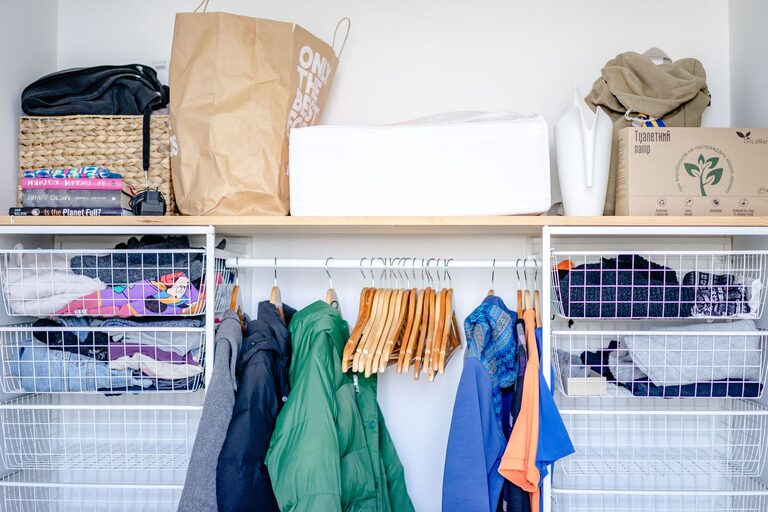
Storing seasonal clothes efficiently is key to maintaining a tidy home and protecting your garments from damage. Whether you’re packing away winter coats or summer dresses, having a good system saves space, prolongs the life of your clothes, and makes switching seasons easier. This guide will walk you through practical steps and storage ideas to keep your wardrobe organized and your clothes in great condition.
Why Efficient Seasonal Clothes Storage Matters
When you store clothes properly, you avoid wrinkles, mold, unpleasant odors, and pest damage. Efficient storage also frees up space in your everyday wardrobe, reducing clutter and making your daily dressing routine simpler. Plus, knowing exactly where your clothes are stored makes seasonal transitions faster and less stressful.
Preparing Clothes for Storage
Before placing your clothes in storage, it’s important to prepare them carefully.
1. Clean Everything Thoroughly
Always wash or dry clean clothes before storing them. Dirt, sweat, and odors can attract pests and cause fabric to deteriorate over time.
– Follow care label instructions for washing.
– Air dry clothes completely to prevent moisture buildup.
– For delicate or special materials, use appropriate cleaning methods.
2. Repair and Sort
Check for any repairs needed like missing buttons, broken zippers, or small tears. Fixing these in advance prevents further damage.
Sort clothes by type and season. Group items such as sweaters, coats, dresses, or swimwear separately. This makes unpacking easier when the time comes.
3. Use Fabric-Friendly Storage Materials
Avoid plastic bags or boxes that trap moisture, leading to mildew. Use breathable fabric storage bags or bins designed for clothing.
Choosing the Right Storage Containers
Selecting the best containers depends on your space, budget, and the type of clothes you’re storing.
1. Storage Bins and Boxes
– Opt for clear, stackable plastic bins with airtight lids for protection against dust and pests.
– Add silica gel packets or moisture absorbers to prevent dampness.
– Label each bin for quick identification.
2. Vacuum-Seal Bags
Ideal for bulky items like coats or comforters, vacuum-seal bags reduce volume significantly.
– Remove as much air as possible before sealing.
– Make sure clothes are clean and dry to avoid mold growth.
– Note some materials may get crushed and lose shape, so use with caution.
3. Fabric Storage Bags and Drawers
– Breathable cotton or linen bags allow airflow, reducing moisture buildup.
– Canvas storage drawers fit well in closets and under beds.
– Best for delicate or frequently used items.
Storing Clothes Smartly
Placement and method of storage are just as important as preparation.
1. Use Suitable Storage Locations
– Choose cool, dry, and dark areas like closets, under beds, or storage rooms.
– Avoid attics, basements, or garages where temperature and humidity can fluctuate.
– Keep clothes away from direct sunlight to prevent fading.
2. Organize Vertically and Categorize
– Stack boxes neatly to maximize floor space.
– Use shelving units or hanging organizers for easier access.
– Group clothes by season and category to simplify retrieval.
3. Support Garments Properly
– Fold heavy items like sweaters to maintain their shape.
– Hang dresses or coats on padded hangers if you have garment bags.
– Avoid overstuffing containers to prevent wrinkles.
Additional Tips for Maintaining Clothes in Storage
– Consider using natural repellents like cedar blocks or lavender sachets to deter moths and pests.
– Check stored items every few months for any signs of damage or moisture.
– Refresh clothes by airing them out before packing them back.
Transitioning Your Wardrobe Seasonally
When it’s time to switch seasons, having an organized system makes the process smooth.
– Set aside a weekend to swap out your clothes.
– Use labeled bins to move seasonal items in and out.
– Take this opportunity to declutter and donate items you no longer wear.
Conclusion
Efficient storage of seasonal clothes involves careful cleaning, selecting the right containers, and smart organizing. With these tips, you can protect your garments, save space, and enjoy a clutter-free home all year round. Implementing these strategies will make changing your wardrobe a hassle-free and satisfying task. Happy organizing!